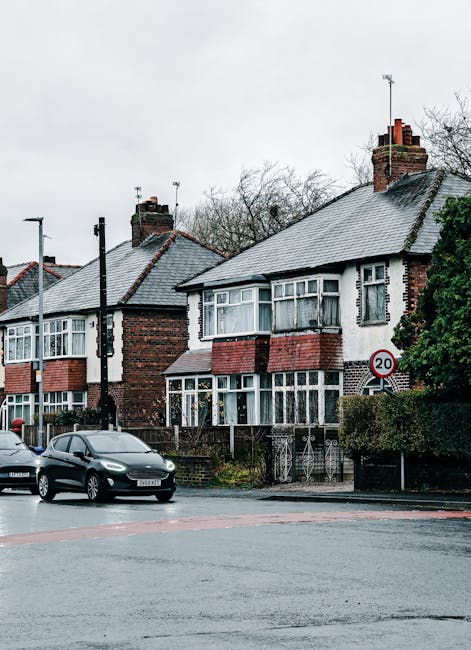
House removals for Harvist Road estates Queens Park
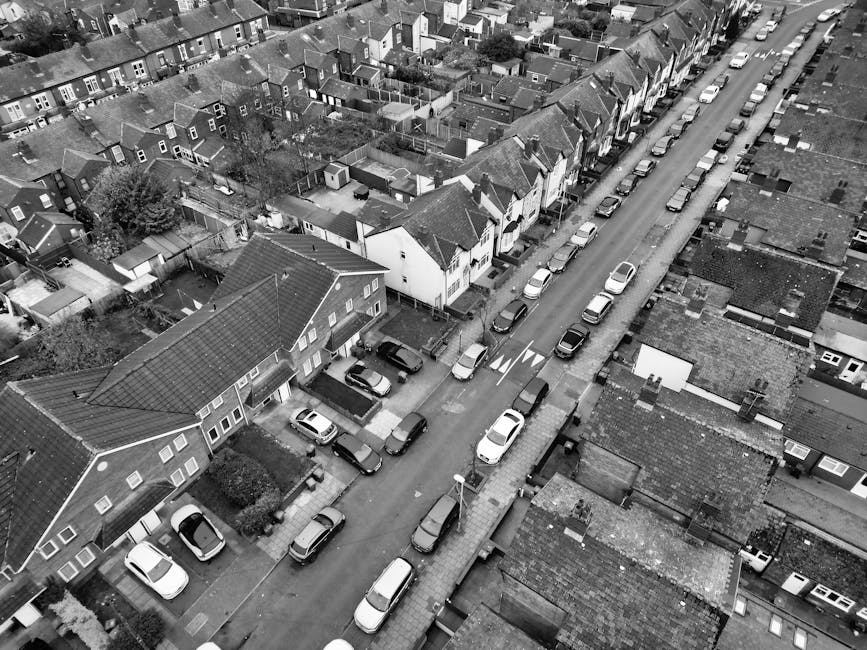
Moving home near Harvist Road can look straightforward on paper, then the reality kicks in: tight parking, stairwells that seem to shrink by the hour, neighbours coming and going, and that one sofa that never quite fits the angle you hoped it would. House removals for Harvist Road estates Queens Park need a local, thoughtful approach, not a one-size-fits-all plan.
This guide breaks down what to expect, how the process works, and how to avoid the usual headaches. Whether you are moving from a family house, a converted flat, or a home with awkward access, you will find practical advice here that helps you plan properly and keep the day calm. Well, calmer. Moving day is still moving day, after all.
- Why this move needs local planning
- How the removal process works
- Benefits of using a local removals team
- Who this service is for
- Step-by-step moving guidance
- Expert tips for a smoother move
- Mistakes that cause stress or delays
- Tools and useful resources
- Safety, insurance and best practice
- Comparing removal options
- Real-world moving example
- Practical checklist
- Frequently asked questions
Why House removals for Harvist Road estates Queens Park Matters
Harvist Road and the surrounding Queens Park estates sit in a part of London where the details really matter. Some properties have narrow hallways, shared entrances, limited kerb space, or timed access windows that make a rushed removal team struggle. Add in weekday traffic, school-run pressure, and the general reality of city parking, and you can see why local knowledge is worth more than people first assume.
House removals for Harvist Road estates Queens Park matter because the move is not just about lifting boxes. It is about timing, access, vehicle choice, packing order, and how well the team understands the building itself. In our experience, the best moves in this area are the ones that feel almost boring on the day. Quiet. Organised. No drama. That is the goal.
There is also the question of protecting your home and belongings. Older properties and estate blocks can have tighter corners, delicate surfaces, and shared staircases that need careful handling. A poor move can mean scuffed walls, broken packaging, or wasted time while everyone tries to figure out where the large wardrobe should go. Nobody wants that, frankly.
Expert summary: local removal planning is less about glamour and more about control. If you can reduce uncertainty around access, parking, packing, and timing, the whole move becomes easier. That is especially true in estate settings where small delays snowball quickly.
How House removals for Harvist Road estates Queens Park Works
A well-run house removal usually follows a simple pattern, even if the day itself feels busy. First comes the survey or quote stage, where the mover checks the likely volume, access challenges, and the type of vehicle needed. Then comes the preparation stage, where packing, labelling, and parking arrangements are sorted out. Finally, the moving day itself, which should feel structured rather than improvised.
For Harvist Road estates, access planning is often the most important part. A team may need to consider whether a removal van can park close enough to the entrance, whether there are steps at the front door, and how many trips will be needed from vehicle to property. If the move involves a flat, common parts and shared corridors matter too. It sounds minor until the first sofa is halfway through a doorway and everyone realises the angle is wrong. Happens more often than you think.
Here is the basic flow most good removal services follow:
- Initial discussion: you explain the size of the property, the number of rooms, and any awkward items.
- Quote and planning: the team estimates labour, vehicle size, and any packing support or storage needs.
- Packing preparation: fragile items, wardrobe contents, and essentials are packed or separated.
- Loading: items are carried out in a safe order, usually heavier or bulkier items first.
- Transport: belongings are secured for the short or long journey to the new address.
- Unloading and placement: boxes and furniture are positioned where you need them, which saves a lot of back-and-forth later.
Some customers choose a full-service option through house removals, while others prefer a smaller-scale move with a man and van setup. The right choice depends on the size of the property, the quantity of furniture, and how much help you want on the day.
Key Benefits and Practical Advantages
The most obvious benefit is time. A local crew that understands Queens Park can often work more efficiently because they are not guessing about access or parking. But the real advantage is peace of mind. That is what people tend to pay for, even if they phrase it differently.
Other practical advantages include:
- Less stress on moving day: a clear plan reduces the sense that everything is happening at once.
- Better protection for belongings: experienced movers know how to handle bulky or fragile items without improvising.
- More accurate timing: local removals teams can better estimate the actual time needed for loading and access.
- Support for awkward homes: estate entrances, staircases, and narrow rooms are much easier to manage when the crew expects them.
- Reduced risk of damage: careful lifting, proper wrapping, and the right vehicle size all help.
There is also a money angle, though not always in the obvious way. A move that runs smoothly can save you from avoidable costs such as last-minute van changes, extra labour time, or replacement of damaged items. Cheap can become expensive very quickly. To be fair, that is true of quite a few things in life.
If your move includes packing support, furniture dismantling, or temporary storage, you can often bundle those services together rather than arranging each piece separately. That tends to reduce confusion and means one team is responsible for the whole picture.
Who This Is For and When It Makes Sense
This kind of removal service suits a wide range of households, but it is especially useful if your move includes any of the following:
- A larger family house with multiple bedrooms and furniture-heavy rooms
- A property with stairs, awkward corners, or narrow entrances
- A move involving fragile items, antiques, or heavy furniture
- A tight moving schedule, such as completing and moving on the same day
- Limited help from friends or relatives
- A need for packing, unloading, or temporary storage
It also makes sense if you are moving within Queens Park rather than across London. Short-distance moves still need planning, but they often involve more stopping, starting, and carrying than people expect. A local team can keep the day moving without making you feel as though you need to supervise every tiny step.
Some residents only need home moves support for a small house or a compact family flat, while others will benefit from a more complete removal services package. If you are comparing options, think in terms of effort, not just vehicle size. What do you actually want to handle yourself?
And if you are moving out of a property that needs clearing in stages, it may help to split the move into a van run, a storage phase, and a final delivery. That can feel a bit less dramatic. Which, let's face it, is nice.
Step-by-Step Guidance
A tidy move starts long before the van arrives. If you want the day to feel under control, the best approach is to work backwards from the moving date.
1. Start with a clear inventory
Write down what is staying, what is going, and what needs special handling. This is especially useful for items you do not want in the main load, such as documents, jewellery, chargers, medicines, or everyday kitchen bits you need immediately.
2. Measure the difficult items
Measure beds, wardrobes, sofas, and appliances if you are not sure they will fit through doors or down stairwells. A few quick measurements can save a surprising amount of stress later. Sometimes the difference between a smooth lift and a stuck item is just a few centimetres.
3. Book the right level of help
Decide whether you need a full team, a man with a van, or a larger vehicle like a moving truck. Bigger is not always better. If access is tight, a smaller vehicle with the right crew can be far easier to manage.
4. Pack by room and priority
Use a room-by-room approach and label boxes clearly. Mark anything fragile. Put a few essentials in a separate bag or box so you are not searching for kettle items at 9 p.m. when you are already tired.
5. Confirm access details
Tell the movers about floor level, lift availability, parking restrictions, and any estate-specific instructions. If there is a narrow approach road or shared entrance, say so early. It helps them plan the vehicle position and carrying route.
6. Prepare the property
Clear hallways, remove loose items from shelves, and keep paths open. If you can protect corners or floors where needed, do that before the team arrives. A little prep goes a long way.
7. Keep the essentials separate
Have keys, documents, phone chargers, snacks, and water accessible. Moving day gets easier when you are not hunting through labelled boxes for a toothbrush.
8. Walk through before the team leaves
Check all rooms, cupboards, loft spaces, and storage areas. People forget things in the strangest places. Behind radiators. Top shelves. Even the washing machine drawer. True story? Not even the oddest one.
Expert Tips for Better Results
There are a few small decisions that make a big difference on estate moves. None of them are dramatic, but together they can save hours.
- Book early if possible: good removal slots go quickly at weekends and month-end.
- Choose morning when you can: the earlier start often gives you more flexibility if anything slips.
- Use colour labels: a simple colour per room speeds up unloading and reduces confusion.
- Pre-pack non-essentials first: books, spare bedding, seasonal items, and decor can be packed well ahead.
- Keep one clear walkway: the less clutter in hallways, the quicker and safer the lifting.
- Tell the truth about volume: if you think it will need two loads, say so. Underestimating is the classic moving-day trap.
It also helps to separate items that need extra care. Glass shelves, TV screens, plants, lamps, and picture frames often need more protection than their size suggests. A delicate thing can look harmless until it meets a stair rail. Then suddenly not so harmless.
If you are moving with children, pets, or a lot of work equipment, plan a quiet room or safe corner where the day can breathe a little. Little details, like having the kettle and mugs easy to reach, can change the mood of the whole move. Sounds trivial. It is not.
Common Mistakes to Avoid
Most moving problems are not caused by bad luck. They are caused by small oversights that stack up. The good news is that they are usually easy to avoid.
- Leaving packing too late: last-minute packing leads to broken items and missing essentials.
- Not checking access: if the van cannot park where expected, delays start immediately.
- Assuming all services are the same: some teams handle packing, furniture dismantling, and storage; others do not.
- Forgetting insurance questions: you should always know what is covered and what is not.
- Overfilling boxes: too-heavy boxes are difficult to carry and more likely to split.
- Not labelling rooms clearly: boxes arrive at the new house, but nobody knows where they belong.
A common one in Queens Park is underestimating how long it takes to move items between the property and vehicle. A short distance on a map can still mean multiple trips, stairs, doors, and waiting around for parking gaps. On paper it looks easy. On the day, not so much.
Another mistake is choosing a service purely on headline price. It is sensible to compare costs, of course, but a quote only makes sense if you know what is included. Packing materials, labour, and access complications can all affect the final outcome. Ask clear questions. No need to apologise for that.
Tools, Resources and Recommendations
You do not need specialist kit to manage a house move, but a few practical tools can make the process far less painful.
- Strong boxes: use consistent box sizes where possible so they stack safely.
- Packing tape and dispensers: flimsy tape is a false economy.
- Labels and markers: bold writing is easier to read than tiny notes scribbled in a rush.
- Bubble wrap or paper: for glassware, framed items, and anything easily chipped.
- Furniture blankets: useful for protecting polished surfaces and corners.
- Trolley or dolly: helpful for heavier boxes, though not always needed if movers bring their own.
For people who want a simpler move, services such as packing and boxes or packing and unpacking services can take a lot of pressure off the process. If you are clearing furniture rather than moving everything, furniture removals or furniture pick-up may be the better fit.
For moves that need temporary overflow space, storage can be a useful bridge. That is especially handy if completion dates do not line up neatly, which they so often do not. Life likes to be awkward like that.
Law, Compliance, Standards, or Best Practice
For a house move in Queens Park, there are a few practical standards worth paying attention to, even when no one is waving a rulebook at you. First, ensure the removal company is properly insured for the work it carries out. Second, ask how fragile items, large items, and property access are handled. Third, make sure the crew follows sensible manual handling practice so heavy items are lifted safely and not dragged carelessly across floors.
If you live in an estate or managed block, there may also be building rules about lift bookings, moving hours, parking, or protection of common areas. Those rules vary from one property to another, so it is best to check with the building management or landlord well in advance. A good removal team will work with those requirements rather than treating them as an inconvenience.
Health and safety matters too. Doorways should be kept clear, children and pets should stay out of the lifting path, and anything that could cause a trip should be moved before loading starts. Plain common sense, really, but on moving day common sense can get buried under cardboard.
It is also worth reviewing the company's policy pages, especially if you care about how personal information, payments, complaints, or environmental practices are handled. Pages such as health and safety policy, insurance and safety, payment and security, and recycling and sustainability help set expectations in a transparent way.
Options, Methods, or Comparison Table
Not every move needs the same setup. Here is a simple comparison to help you decide what makes sense for a Harvist Road estate move.
| Option | Best for | Strengths | Watch out for |
|---|---|---|---|
| Full house removal | Whole-home moves, larger inventories, busy households | Most hands-on support, better for bulky furniture, less stress | Needs clear access and accurate planning |
| Man and van | Smaller moves, partial loads, short-distance transport | Flexible, practical, often quick to arrange | May not suit larger homes or heavy item counts |
| Packing support | Busy households, fragile belongings, time-poor movers | Saves time, reduces breakage risk, improves organisation | Needs planning so boxes are labelled properly |
| Storage | Staggered completion, downsizing, renovation gaps | Creates flexibility and eases timing pressure | Storage duration and access need to be clear early |
If you are unsure which route suits you, ask yourself one simple question: do you need transport, or do you need the whole job managed? That usually points you in the right direction.
Case Study or Real-World Example
Here is a realistic example based on the kind of move people often make around Harvist Road estates.
A couple in a two-bedroom estate flat needed to move into a nearby house in Queens Park. The flat had a narrow hallway, a large wardrobe, two heavy bookcases, and a fragile mirror that was awkward even before moving day. They initially thought a small van would be enough. After a quick assessment, it became clear they needed a slightly larger vehicle, careful packing, and help dismantling one piece of furniture.
The move went better than expected because the team planned the access route first. Boxes were labelled by room, the wardrobe was dismantled before loading, and the mirror was wrapped separately with extra care. The new home had a tighter front path than they realised, but the movers had already allowed for that and used an unloading order that kept everything moving.
The result? No frantic searching, no last-minute vehicle change, and no pile of mystery boxes in the hallway at the end of the day. A bit of planning made the whole thing feel smaller than it really was. That is the point, really.
Practical Checklist
Use this checklist in the days before your move. It is not glamorous, but it works.
- Confirm moving date, arrival time, and access details
- Check parking arrangements and any estate or building rules
- Measure large furniture and tricky doorways
- Pack essentials separately for first-night access
- Label boxes by room and priority
- Protect fragile items with suitable wrapping
- Empty drawers, shelves, and wardrobes that need it
- Keep keys, documents, and chargers in a safe place
- Set aside cleaning supplies for the old and new property
- Walk through each room before the team leaves
Quick takeaway: the smoother the preparation, the less the move feels like a scramble. In a place like Harvist Road, that bit of preparation really earns its keep.
Conclusion
House removals for Harvist Road estates Queens Park work best when local knowledge, sensible planning, and careful handling come together. The move itself may only last a day, but the decisions you make beforehand shape how that day feels from the first box to the final walk-through.
If you focus on access, packing, and the right level of help, you give yourself a much better chance of a smooth move. And honestly, that is what most people want: less chaos, fewer surprises, and a home where the boxes end up in the right rooms rather than forming a mysterious wall in the hallway.
If you are still comparing options, take a calm look at the service level you need, the space you are moving from, and the support you want on the day. A good local removals team should make the process feel manageable, not noisy.
Get a free quote today and see how much you can save.
And if the whole thing still feels a bit much, that is normal. A decent move is built on small sensible choices, not magic. One step at a time.
Frequently Asked Questions
What makes house removals for Harvist Road estates Queens Park different from a standard move?
The main difference is the access. Estate entrances, parking limits, stairwells, and shared spaces can all affect how the move is planned. A local team that knows the area is often better placed to deal with those practical details.
Should I choose a full removal service or a man and van?
If you are moving a full household, have bulky furniture, or want more hands-on support, a full removal service usually makes more sense. For smaller moves, partial loads, or short journeys, a man and van can be perfectly suitable.
How far in advance should I book?
As early as you can, especially if you are moving on a Friday, weekend, or month-end. Those dates tend to fill quickly. A bit of lead time also helps with parking, packing, and any building access arrangements.
Do removal teams help with packing?
Many do, but not all. Some offer full packing and unpacking, while others focus mainly on transport and loading. If you want support with boxes and wrapping, ask about it specifically before booking.
What should I do with fragile items?
Wrap them carefully, label the boxes clearly, and tell the movers which items need extra attention. Glass, mirrors, lamps, and screens should be protected well and not mixed loosely with heavier items.
Can I move on the same day as completion?
Yes, many people do, but it needs good timing and realistic planning. Same-day moves can be perfectly workable, though they leave less room for delays. If your chain is complicated, keep some flexibility where possible.
How do I prepare for parking restrictions near the estate?
Check the local rules early and share the details with your removal team. If there are resident bays, loading restrictions, or narrow access points, the crew can plan around them more effectively when they know in advance.
What if my furniture does not fit through the doorway?
This is where measuring matters. Some furniture can be dismantled, turned, or moved in sections. If you are unsure, mention it early so the team can plan the right tools and approach.
Is storage useful for a Harvist Road move?
Yes, especially if your dates do not line up neatly or you are downsizing. Storage can make the process less pressured and give you breathing space between properties.
What should I ask before accepting a quote?
Ask what is included, whether there are extra charges for stairs or difficult access, what insurance is in place, and whether packing materials or dismantling are covered. Clear answers now save confusion later.
How can I keep the move day calmer?
Keep essentials separate, label boxes well, clear pathways, and confirm access details with your movers. It is also worth having water, snacks, and chargers easy to reach. Small things, but they matter more than people expect.
Are local Queens Park movers better than a bigger company from across London?
Not always, but local movers often have a better feel for parking, access, and the layout of nearby estates. That practical familiarity can make a noticeable difference on the day, especially where space is tight.