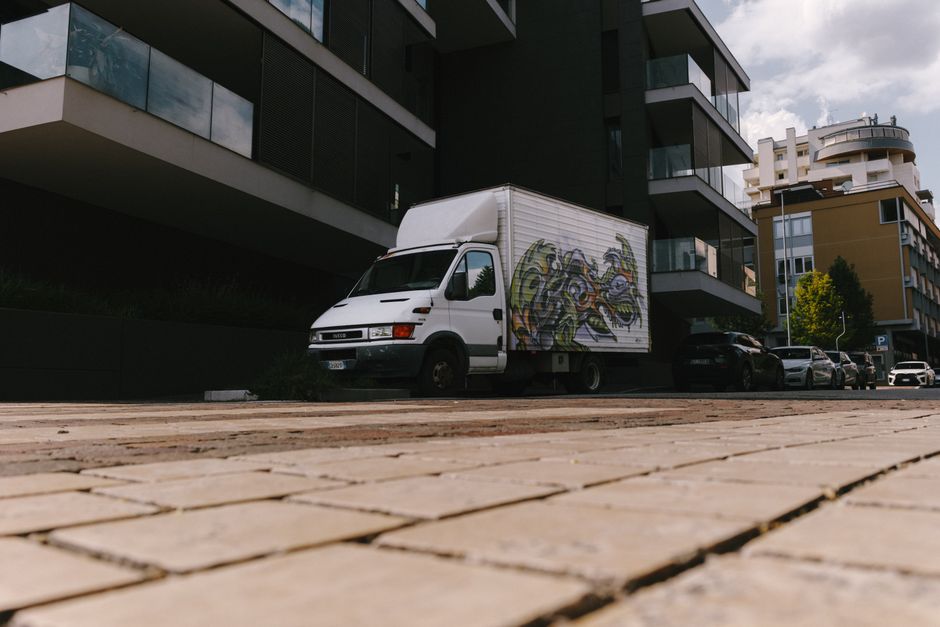
Removals experts for Salusbury Road flats Queens Park: a practical guide for smoother flat moves
Moving out of a flat on Salusbury Road in Queen's Park can feel simple on paper and strangely complicated in real life. One narrow hallway, one awkward stairwell, a lift that is "sometimes working", and suddenly the whole day needs better planning than you expected. That is exactly where Removals experts for Salusbury Road flats Queens Park become valuable: not just for lifting boxes, but for helping the move happen with less stress, less risk, and fewer last-minute surprises.
In this guide, you will find a clear explanation of how flat removals usually work, what makes Salusbury Road properties a little different, what to ask before booking, and how to avoid the common mistakes that can turn a move into a long, noisy afternoon. If you are trying to compare options, you may also find it useful to look at flat removals, man and van, and pricing and quotes while you read.
Practical summary: the best flat move is rarely the one with the biggest vehicle. It is the one that is planned around access, timing, loading space, packing discipline, and the actual layout of the building. Simple idea. Big difference.
- Why this matters for Salusbury Road flats
- How the moving process works
- Key benefits and practical advantages
- Who this is for and when it makes sense
- Step-by-step guidance
- Expert tips for better results
- Common mistakes to avoid
- Tools, resources and recommendations
- Law, compliance, standards and best practice
- Options and comparison table
- Case study or real-world example
- Practical checklist
- Conclusion
- Frequently asked questions
Why Removals experts for Salusbury Road flats Queens Park Matters
Salusbury Road sits in a busy, well-used part of Queen's Park, and flats there often come with the usual London moving challenges: restricted parking, shared entrances, stair-only access in some buildings, and neighbours who would quite like the move to be over before lunch. None of that is unusual, but it does mean a flat move needs more care than a straightforward house move on a quiet suburban road.
Using removals experts for this type of move matters because they understand that a flat is not just a smaller house. The difference is not only size. It is access, timing, protection, and coordination. A sofa that would be easy in a driveway move can become a proper puzzle on a second-floor landing with a bend in the stairwell. We have all seen that moment where the item is almost through, then it catches. Nobody enjoys that moment.
For Salusbury Road flats, a good removal team will think ahead about:
- how close the vehicle can legally and safely park
- whether the building has lifts, narrow stairs, or shared access
- how to protect communal areas from scuffs and damage
- whether fragile items need packing support before moving day
- how to keep the move efficient without rushing
That last point is often overlooked. A rushed move tends to cost more in stress than time saved. A well-managed one feels calm, even if the boxes are everywhere for a few hours.
How Removals experts for Salusbury Road flats Queens Park Works
Most flat removals follow a similar structure, but the details matter. The process usually begins with a quick assessment of what needs moving, where it is moving from, and how easy it will be to carry items in and out of the building. For many flats, that assessment is more important than the van size itself.
In practical terms, a typical move may involve the following steps:
- Initial enquiry and move details. You share the flat size, the volume of belongings, the addresses, and any access issues. If there is a large item such as a wardrobe, bed frame, or piano, say so early.
- Quotation and planning. A sensible quote should reflect labour, vehicle size, timing, and any specialist handling needs. If you want to compare options clearly, the site's removal services information can help you understand the scope of support available.
- Packing preparation. Boxes, labels, wrapping materials, and a basic room-by-room plan help the move run faster. If you are short on time, packing and boxes and packing and unpacking services can be useful support options.
- Move-day arrival. The team arrives, confirms access, protects vulnerable surfaces where needed, and starts loading in a safe order. Heavy items usually go first, fragile pieces are secured carefully, and boxes are stacked to minimise movement.
- Transport and delivery. The vehicle is driven to the destination, loaded items are unloaded, and furniture is placed in the right rooms if that service is included.
- Final checks. A good finish includes checking that nothing is left behind, confirming that anything delicate has arrived intact, and making sure the property is left tidy enough for the next step.
That sounds straightforward, but the job works best when the moving team knows the building context. For example, a narrow entrance at one end of Salusbury Road may make a smaller, more manoeuvrable vehicle more practical than a larger truck. On the other hand, if you have several rooms of furniture, a bigger vehicle or a more organised load plan can save repeat trips.
If you are unsure which format fits your move, it can help to compare man with a van, removal van, and moving truck options before choosing.
Key Benefits and Practical Advantages
The main benefit of hiring removals experts for a flat on Salusbury Road is not glamour. It is control. You get a clearer plan, fewer people carrying too much at once, and a better chance of avoiding accidental damage in tight communal spaces.
Here are the advantages that matter most in real life:
- Less physical strain. Lifting awkward furniture downstairs is where many people overestimate their own patience. And back. Let's be honest.
- Safer handling of bulky items. Sofas, mattresses, mirrors, and white goods are much easier to move when someone has a system.
- Better building access management. The right team will work around entry times, loading restrictions, and neighbour considerations without making a drama of it.
- More efficient packing and loading. Good removals work is a bit like a puzzle. Put the right things in the right order and the whole thing becomes smoother.
- Reduced risk of damage. Doors, bannisters, walls, and shared hallways matter just as much as the furniture itself.
- Less day-of confusion. A moving day with labels, room plans, and one clear point of contact tends to go much better than a last-minute scramble.
There is also a quiet mental benefit. When you know the move is being handled properly, the day feels less like a crisis and more like a task. Not exactly fun, no. But manageable. That is a win.
If you are also moving between homes, the broader support options at home moves and house removals can be useful to review, especially if your flat move is part of a larger relocation.
Who This Is For and When It Makes Sense
This kind of service is not only for large moves. In fact, flat removals on Salusbury Road often suit people with quite ordinary needs: a one-bedroom flat, a shared flat, a rented apartment, or a small owner-occupied property with a few larger items. If you have stairs, limited parking, or a moving deadline, the need becomes even clearer.
It makes sense if you are:
- moving out of a flat with awkward access or narrow communal areas
- short on time and need the move completed efficiently
- carrying fragile belongings, artwork, mirrors, or electronics
- relocating a student flat, a shared household, or a first rental
- moving a few streets away and want help without booking a large-scale removal
- trying to move after work or within a tight time slot
It can also make sense if you are moving in stages. For example, maybe the furniture goes first and the smaller items come later. In that case, storage may help bridge the gap, especially if your new flat is not ready on the same day.
Students, young professionals, downsizers, landlords coordinating end-of-tenancy handovers, and anyone moving in or out between busy weekdays all tend to benefit from a more organised service. Truth be told, the smaller the flat, the easier it is to underestimate how long the move will take.
Step-by-Step Guidance
If you want the move to feel controlled rather than chaotic, work through it in a sensible order. The exact details vary, but this framework holds up well for most Salusbury Road flat removals.
- List everything by room. Do a quick room-by-room inventory. You do not need a novel. Just enough to know what is going and what is not.
- Measure the awkward items. Measure beds, sofas, wardrobes, and fridges. If something is tight on paper, it will usually feel tighter in the stairwell.
- Check access at both properties. Look for stairs, lift availability, entrance width, parking space, and any loading restrictions.
- Decide whether you need packing help. If time is short, consider partial or full packing support. It can save a lot of last-minute stress.
- Book the right vehicle and labour. A smaller load can suit a flexible service such as man with van, while a larger or more complex move may suit broader removals.
- Label everything clearly. Room names help. So does marking fragile items plainly. This sounds obvious, yet it is one of the first things people skip.
- Pack a first-day bag. Put documents, chargers, medication, a kettle, toiletries, and a change of clothes aside so they do not disappear into a box mountain.
- Confirm arrival timing. London traffic can be a nuisance, especially around busier sections of the day. Build in a little breathing room.
- Protect communal areas. Where needed, use covers or protective handling to reduce scuffs in hallways and doorways.
- Do a final sweep. Check cupboards, balconies, under the bed, and behind doors. People leave chargers everywhere. Always chargers.
If you are moving on a tighter deadline, the same-day removals option may be relevant, but it works best when the move is small, access is clear, and your items are already packed.
Expert Tips for Better Results
Small decisions make a surprisingly large difference on moving day. In our experience, the smoothest flat moves usually share the same habits.
- Start packing earlier than feels necessary. People always think they can pack "in one evening". That evening tends to become two evenings and a lot of tape.
- Use consistent box sizes where possible. It makes stacking much safer and easier.
- Keep heavy items in smaller boxes. Books, tools, and kitchenware get heavy quickly. Your shoulders will notice.
- Separate essentials early. Don't bury the things you will need first.
- Tell the movers about access problems in advance. A tiny note about a tight turn or awkward stair can save a big delay.
- Reserve parking or loading space where appropriate. If you can do this legitimately and in advance, it often helps the day run more smoothly.
- Protect floors and furniture corners. Even basic protection can prevent annoying marks.
One useful habit is to take quick phone photos of delicate furniture, cable setups, and the inside of electronics boxes before they are wrapped. It sounds fussy. It saves time later, though. Especially when you are tired and half-unpacking at 9pm with a bit of cardboard in your hair.
For more specialist items, the dedicated pages on furniture removals, piano removals, and furniture pick up can help you think through the right approach.
Common Mistakes to Avoid
Flat moves rarely go wrong for one dramatic reason. They usually go wrong because of five small oversights stacked together. That is the awkward truth.
- Underestimating access. A move that looks simple from the street can become complex once you are inside the building.
- Booking on price alone. The cheapest quote is not always the most economical if it leaves you with delays, poor communication, or unplanned extra work.
- Not measuring large furniture. A sofa that cannot turn at the landing is not a surprise you want on the day.
- Packing fragile items badly. Soft items do not protect glass, and old newspaper alone is not enough for everything.
- Leaving everything to the last minute. This is the classic one. The move becomes more expensive in stress than money.
- Forgetting to confirm access times. Shared buildings and managed blocks can have rules. Better to check than guess.
Another easy mistake is overfilling boxes. It saves time for about five minutes and then becomes a lifting problem for the rest of the day. Heavy, awkward boxes slow everything down. A little restraint helps.
If your move includes rented furniture, end-of-tenancy clear-outs, or surplus items, think about whether furniture removals or recycling and sustainability support is a better fit than simply loading everything into the van and hoping for the best.
Tools, Resources and Recommendations
You do not need a huge toolkit for a flat move, but a few basics make life noticeably easier. The right supplies keep packing tidy and reduce breakages, which is exactly what you want when moving through shared spaces.
| Item | Why it helps | Best use |
|---|---|---|
| Strong boxes | Stack more safely and protect contents better | Books, kitchen items, mixed household goods |
| Packing tape | Keeps boxes closed during lifting and transit | All packed boxes |
| Bubble wrap or paper wrap | Helps protect fragile edges and surfaces | Glass, lamps, framed items |
| Labels or marker pens | Makes unpacking much faster | Room labels, fragile items, priority boxes |
| Furniture covers | Reduces dust, scuffs, and minor marks | Sofas, mattresses, wardrobes |
| Document pouch | Holds tenancy papers, IDs, and move details together | Important paperwork |
A practical recommendation: keep one box or bag with your first-day essentials separate from the rest, then tell the movers exactly which one it is. That box should travel last into the van and first out at the other end. You will thank yourself later.
If you prefer a more hands-off move, support pages like packing and unpacking services and removal companies can help you compare levels of support without overcomplicating the decision.
Law, Compliance, Standards, or Best Practice
Moving home in the UK is not usually a heavily regulated event in the way some industries are, but there are still important standards and responsibilities worth taking seriously. In a flat move, common sense and professional conduct matter a lot.
For example, movers should handle belongings with reasonable care, communicate clearly about what is included, and respect property boundaries. If a team is entering shared areas, protecting walls and door frames is not just polite; it is part of working properly in a residential building. The same goes for keeping the move safe for people passing through the building.
Insurance and safety are worth checking before you book. A reputable service should be able to explain how belongings are handled, what level of cover or protection is included, and what happens if there is a problem. For a closer look at these points, the pages on insurance and safety and health and safety policy are useful reference points.
Best practice also includes clear terms, honest pricing, and sensible communication about timing. If you are paying online or sharing payment details, payment and security and terms and conditions help set expectations before the move begins.
And yes, your own responsibilities matter too. Packing safely, declaring fragile or oversized items, and giving accurate access details all reduce the chance of problems. It is a two-way thing.
Options, Methods, or Comparison Table
Different moves need different levels of support. The "best" choice depends on volume, access, time pressure, and how much lifting you want to avoid. Here is a simple comparison.
| Option | Best for | Main advantage | Possible drawback |
|---|---|---|---|
| Man and van | Smaller flat moves, a few items, short local trips | Flexible and often efficient | May not suit larger loads or multiple heavy items |
| Full removals service | Medium to larger flat moves, more furniture, fuller service needs | More support and organisation | Usually more involved to plan |
| Removal van | Local flat moves with moderate volume | Good balance of space and manoeuvrability | Still needs careful packing and loading |
| Same-day removals | Urgent moves, last-minute changes, small to medium loads | Fast turnaround | Less ideal for complex, high-volume moves |
| Storage-based move | Staggered handovers or delayed move-in dates | Creates flexibility | Requires extra coordination |
For many Salusbury Road flat moves, the answer is somewhere between man and van and full removals. Not too little, not too much. The correct balance depends on your furniture and your access conditions, which is why a quick pre-move conversation matters so much.
If you are still deciding, browsing removal van, removal truck hire, and removal services can help you match the service level to the size of the move.
Case Study or Real-World Example
Picture a typical two-bedroom flat on Salusbury Road. One resident is moving to another part of North West London, the other is staying in the area. There is a sofa, two beds, a dining table, boxes of books, kitchen items, and a few pieces of fragile decor. The building has shared hall access and limited roadside space. Nothing outrageous, just a very normal London move.
The move goes better when the team breaks it into clear phases. The first trip is the larger furniture, carefully wrapped and loaded in a sensible order. The second includes boxes and smaller items. The resident keeps a first-night bag separate, and the move team places furniture into the right rooms at the destination instead of stacking everything in the entrance. That simple bit of structure reduces friction at both ends.
The best part of a well-run flat move is often what you do not notice: no frantic calls, no crushed box corners, no guessing where the kettle went, and no shouting in the hallway at 8:15 in the morning.
In a case like this, a service such as man with van could be enough if the item count is modest, but a larger or more layered move might be better served by a fuller removals arrangement. The right answer depends on the actual load, not the postcode alone.
Practical Checklist
Use this checklist before move day. It is simple, but it covers the bits people often forget.
- Confirm the moving date and time window
- Check access details at both flats
- Measure large furniture and doorways
- Decide whether packing help is needed
- Label boxes by room and priority
- Pack fragile items securely
- Separate documents, keys, chargers, and essentials
- Let the movers know about stairs, lifts, or parking limits
- Check insurance, terms, and payment details
- Do a final sweep of cupboards, shelves, and balconies
Quick takeaway: if you do nothing else, get the access details right and keep essentials separate. That alone removes a lot of moving-day friction.
Get a free quote today and see how much you can save.
Conclusion
Moving from a flat on Salusbury Road in Queen's Park does not have to be chaotic, even if the building access is a bit awkward or the timetable is tight. With the right planning, the right vehicle, and the right level of help, the whole process becomes much more manageable. That is the real value of using removals experts for this kind of job: they help turn a stressful day into an organised one.
If you want the move to feel calm rather than rushed, focus on the basics: clear communication, measured packing, realistic timing, and a team that understands local flat access. A good move is rarely flashy. It is just smooth, careful, and finished without fuss.
And honestly, that is what most people want. A clean handover, no broken glasses, and the sense that the day is done. A small relief, but a very welcome one.
Frequently Asked Questions
What makes flat removals on Salusbury Road different from a normal house move?
Flat moves usually involve tighter access, shared entrances, stairs or lifts, and more sensitivity around neighbours and communal areas. That means the logistics matter more than the distance.
How far in advance should I book removals experts for Salusbury Road flats Queens Park?
As early as you reasonably can, especially if you are moving at the weekend or near the end of the month. Flat moves often fill up quickly because many people want the same narrow time windows.
Do I need a full removals service or just a man and van?
It depends on the amount of furniture, access conditions, and how much help you want. Smaller local moves often suit a flexible van-based service, while fuller flats usually benefit from a more complete removals setup.
Can movers help with packing as well as transport?
Yes, many people choose partial or full packing support to save time and reduce breakages. If you are short on time, that support can make a big difference.
What should I tell the removals team before moving day?
Tell them about stairs, lifts, parking, large furniture, fragile items, and any access restrictions. The more accurate the details, the smoother the move tends to be.
Are same-day removals a good idea for flat moves?
They can be, especially for smaller or straightforward moves. If your property has tricky access or a lot of furniture, it is better to allow more time and planning.
How do I protect my belongings during a flat move?
Use sturdy boxes, sensible packing materials, clear labels, and good wrapping for fragile items. Keeping heavy things in smaller boxes also helps prevent damage and makes lifting safer.
What if my new flat is not ready on the same day?
Storage can bridge the gap neatly. It is a practical option if your move-out and move-in dates do not line up perfectly.
Can removals experts handle bulky items like wardrobes or a piano?
Yes, but you should flag these items early so the team can plan the right approach. Specialist handling is especially useful where access is tight.
What should I check in the terms before booking?
Look at what is included, how pricing works, what happens if access changes, and how payment is handled. Clear terms reduce misunderstandings later on.
How can I make the moving day less stressful?
Pack early, label boxes clearly, keep essentials separate, and confirm all access details in advance. Simple, yes, but it really works.
Is it worth using a local company for a Salusbury Road flat move?
Often, yes. A local team is more likely to understand the area, likely traffic patterns, and the practical quirks of moving in and around Queen's Park.